
Are You Buying a Home, or Buying the Life You Think You Should Have?
Property is one of the most emotional purchases we make. We are not simply buying walls and land. We may be buying proof that we have succeeded, a childhood dream, a postcode that signals belonging or the life we think our family should have, and it is remarkably easy to mistake that emotional pull for a purely practical decision.
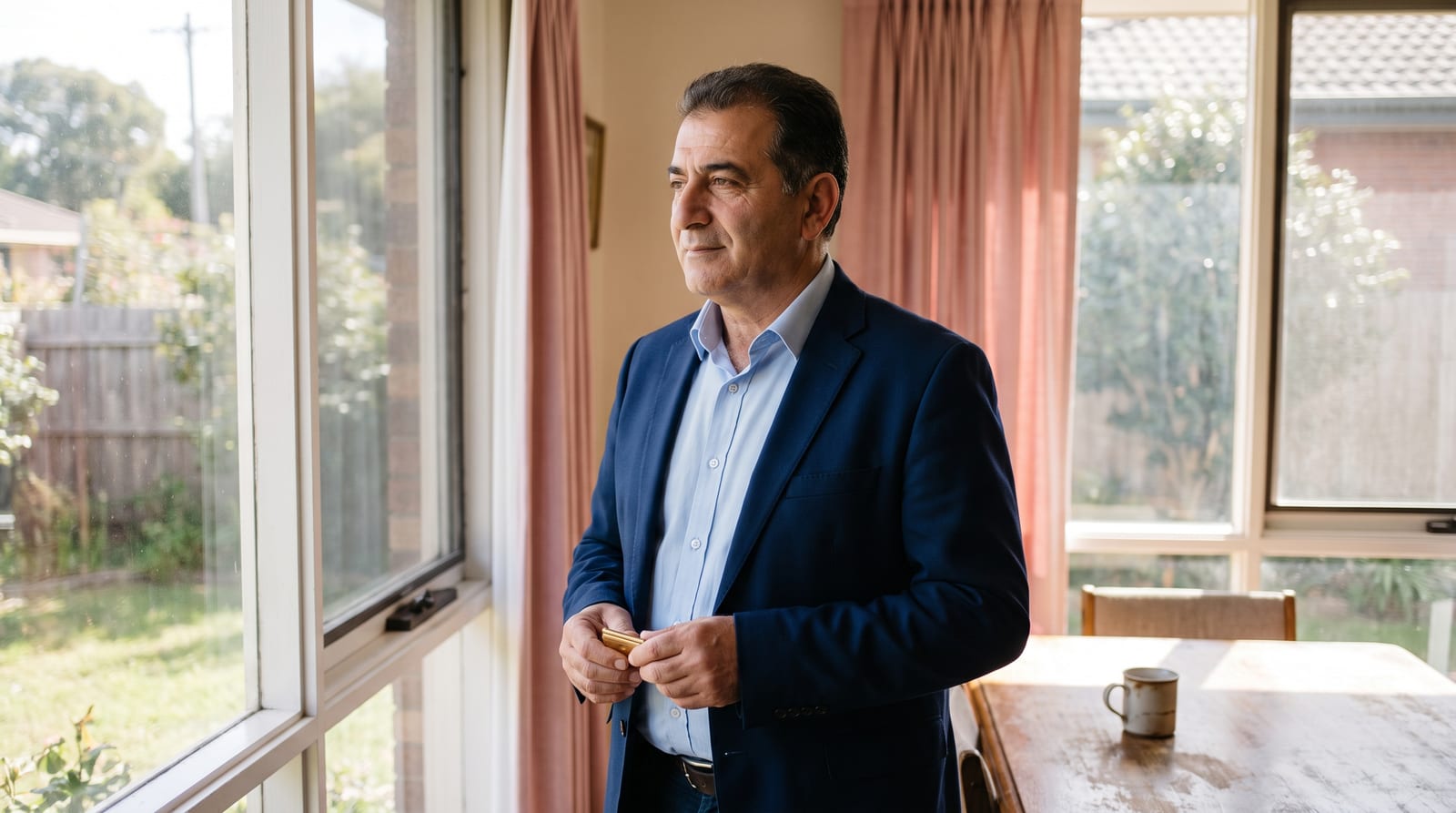
That emotional pull is powerful. It can also persuade us to stretch further, commute longer or carry more pressure than our real life can comfortably absorb, especially when the property in question feels like a symbol of arrival rather than simply a place to live.
Separate the home from the story
Before falling in love with a property, ask what problem you are trying to solve. Do you need stability, more space, proximity to family, a better commute or permission to feel successful? Some of those needs require property. Others may be met in far less expensive ways than a mortgage that stretches for thirty years.
Be honest about whose expectations are driving the decision. A home that impresses other people but leaves you anxious every month is an expensive stage set, and the audience for it is usually smaller and less invested than we imagine.
Test the life around the repayments
A lender's maximum and your comfortable maximum are different numbers. Model higher repayments, maintenance, insurance, rates, moving costs and the income disruptions that real households experience, not the smooth, uninterrupted scenario a mortgage calculator quietly assumes.
Then look beyond the spreadsheet. What will this commitment do to travel, work choices, time with children or the ability to rest? A property decision should support your life, not consume all the room inside it.

Choose with both head and heart
Emotion is not the enemy. Wanting a place that feels like home is entirely reasonable. The challenge is to recognise the emotional premium you are paying and decide consciously whether it is worth it, rather than discovering the size of that premium only after settlement.
The best purchase is not automatically the most impressive one you can secure. It is the one that fits your values, remains workable under pressure and allows you to keep living after the boxes are unpacked.
A conversation worth having
If this issue is part of your life, begin with questions that create clarity rather than blame:
- What am I hoping this home will prove?
- Which features truly improve daily life?
- What would repayments feel like if rates or income changed?
- What do I refuse to sacrifice for this purchase?
A home should give you more than an address. It should give you a sustainable base for the life you actually want. Buy the property in front of you, not the identity attached to it.
Before making a property decision, speak with appropriately qualified lending, legal and financial professionals.
This article contains general information only and does not provide personal financial, investment, legal, tax or lending advice. Consider your circumstances and seek appropriately qualified professional advice before making investment decisions.