
Three Ways to Improve Your Money Mindset
Money had fascinated me for as long as I can remember. Not necessarily the accumulation and growing of it. More, the impact it has on who we are, how we feel about ourselves and how others view us. Money and self worth are as closely linked as our parental influences. Money pervades every part of our life, determining our opportunities when born, the set of challenges we face, and choices we are able to make in the future.
The Western world would tell us that anybody has the opportunity to create abundance. The rags to riches stories are our favourite, and in a democracy, everybody gets a chance to participate if they choose, right?

Except that belief is only half true. The playing field has not been evenly stacked, and those with access to money can make better choices. I'm not the first to point this out – there has been so much change, so quickly. We are scared, uncertain and know each of us has to protect our own patch, our own families and communities. This responsibility can be debilitating, especially when access to resources is limited. Why are so many of us are falling into stress traps. Rising rents, rising interest rates, the cost of living soaring, has had a big impact on our quality of life. The stress, anxiety and fear, and the resultant anger has families hurting and people in despair.
It also means people that have long had disposable income and the choices that come from that, are no longer able to live life that way. Owning a media business over COVID was not a financial goldmine. I have learned the hard way about budgeting, and curtailing lifestyle choices.
And I can say firsthand, it is much harder to find amusement and pleasure alone or with family without spending money. Especially when you are used to having some choices.
And when your choices become more limited, it is hard to keep a positive money mindset – which is why so many of us are feeling financial anxiety. So how do you keep a positive money mindset when you are drowning in debt, lack or worry? It is not easy, but I have found there are things you can do that help.
1. Stop thinking about the big picture too much
If you don't have clarity about where the money will come from, you can drive yourself to despair worrying with no answers. Instead, better to keep your view micro. What about today can you celebrate what you do have, or achieved? Paid the electricity? Great! Got an extension on school fees? Well done. It is important to acknowledge and celebrate everything you are doing day to day to keep life going.
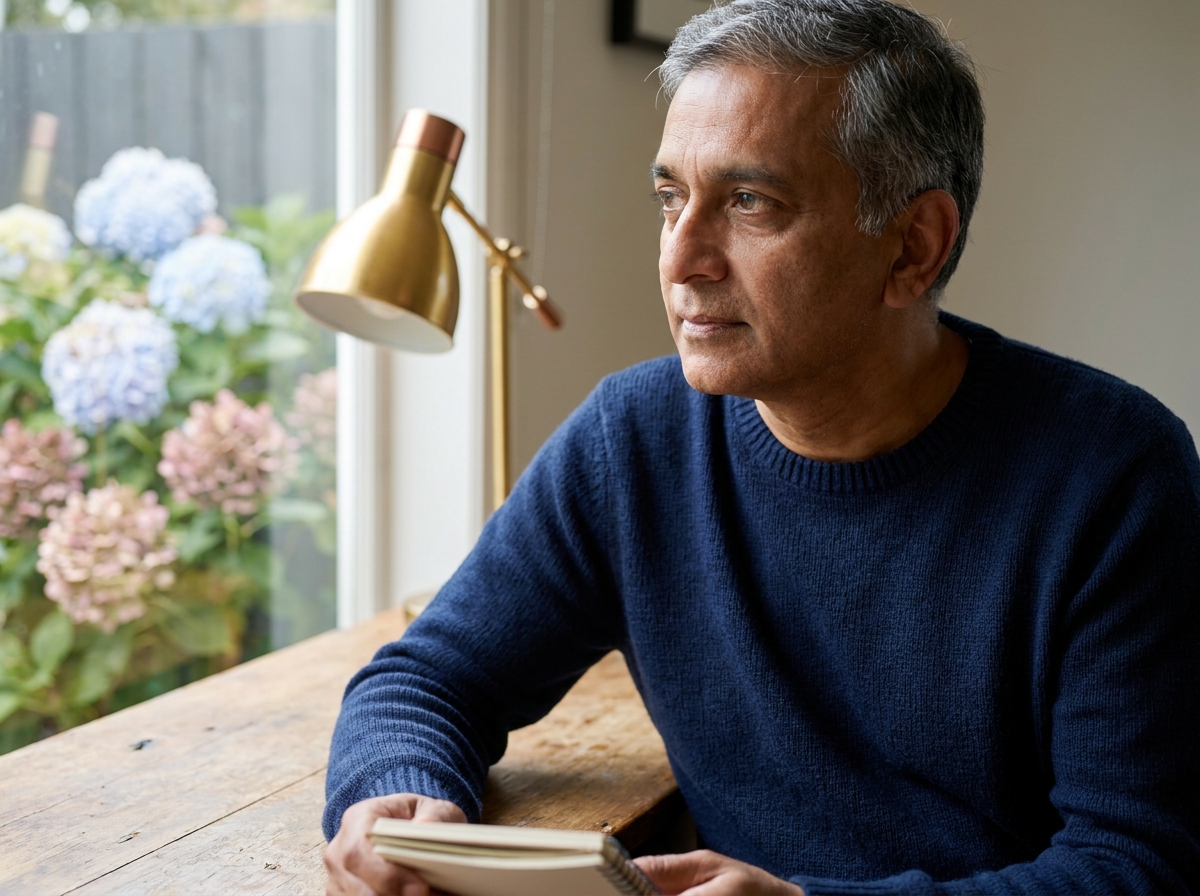
2. Find things you enjoy replacing the stuff you would have spent money on
Whether it be learning to cook from YouTube, learning to sew, or a foreign language online, there are things you can set your mind to that will challenge you and open up your horizons, without needing money.
3. Think laterally about your financial situation
Are there things you could do that you have never considered before? Like selling your home before interest rates rises get too unbearable, or moving out of the city to rural areas that are less expensive to live? Perhaps you thought it not possible before, but to rid yourself of huge financial stress you need to think in ways you have not before. While change is scary, it can also be liberating once you open up the possibilities.
Money mindset is so important because it is so closely linked to our mental health. Working on your mindset by recognising you are struggling and making some changes, no matter how small, can make a big difference. So, remember, you got this. You will be ok. And there will be better times ahead.
Want more on money and mindset? Explore the Money Mindset hub or subscribe for weekly insights.
This article contains general information only and does not provide personal financial, investment, legal, tax or lending advice. Consider your circumstances and seek appropriately qualified professional advice before making investment decisions.